Description
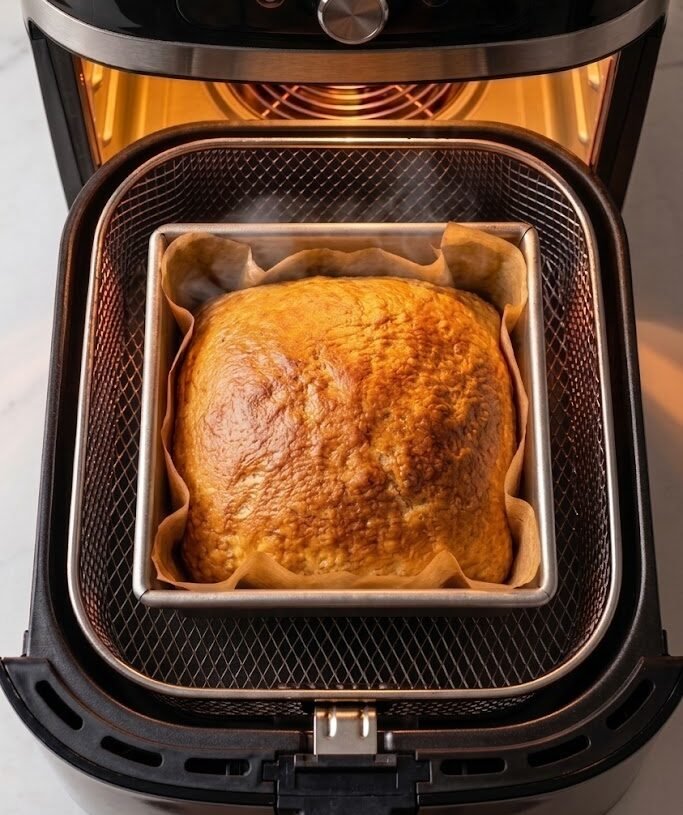
This Sourdough Discard Peasant Bread transforms your unfed starter into a rustic, chewy loaf with a crisp golden crust and tender, airy crumb. The no-knead method creates that signature artisan texture with minimal effort—just mix, rise, and bake. Each slice delivers satisfying flavor while offering a protein boost, making it a smart choice for high protein and low-carb eating plans without sacrificing the comfort of homemade bread.
AdBlock Detected ⚠️
Please disable your ad blocker to support our website.
Advertising keeps our content free for everyone.
Can This Sourdough Discard Peasant Bread Support Weight Loss Goals?
Yes—this bread can support weight management when enjoyed as part of a balanced, protein-friendly diet. The sourdough fermentation process may improve digestibility and nutrient absorption, while the protein from flour contributes to satiety. Pairing a slice with high-protein toppings like eggs, cottage cheese, or lean meats creates a satisfying meal that helps control hunger and supports steady energy levels throughout the day.
Does This Recipe Fit a High Protein Lifestyle?
Absolutely. With approximately 4g of protein per slice and a net carb count of around 28g, this bread provides a solid foundation for protein-focused meals. The sourdough discard adds depth while the simple ingredients—flour, water, yeast, and salt—keep it clean and versatile. It fits perfectly into high protein diets when paired with protein-rich accompaniments, making it ideal for high protein breakfast, snacks, or as a base for open-faced sandwiches.
My Personal Experience
-
Uses up sourdough discard – This recipe finally gives purpose to all that unfed starter sitting in my fridge, reducing waste while creating something delicious.
-
Foolproof no-knead method – Even with a wet, slack dough that seems too sticky to work with, the bread rises beautifully and bakes into a stunning loaf without any fancy techniques.
-
Forgiving dough consistency – I’ve learned that this dough is intentionally wetter than standard bread dough—resist adding too much extra flour, and you’ll be rewarded with that perfect open crumb texture.
-
Best served warm – While the recipe recommends cooling completely for the fluffiest texture, I can never resist a warm slice slathered with butter—it’s absolutely irresistible.
Perfect For
This versatile loaf shines as a high protein breakfast toast, a hearty base for high protein snacks like avocado toast with smoked salmon, a side for soups and stews in keto diet plans, or transformed into high protein desserts like French toast casserole. It’s an all-season staple that fits perfectly into high protein, low carb recipes rotation.
Why You’ll Love This Recipe
-
No kneading required – This recipe does the work for you; just mix, let rise, and bake—perfect for busy cooks who want artisan results without the elbow grease.
-
Uses sourdough discard – Transform what would be waste into a stunning loaf, making this an economical and sustainable choice for sourdough bakers.
-
Incredible texture contrast – The crust develops a satisfying crispness while the interior stays soft and airy with an open crumb—truly the best of both worlds.
-
Versatile and adaptable – Works beautifully as a sandwich bread, toast, or alongside soups; you can even experiment with adding cheese or herbs for variety.
Common Mistakes to Avoid
-
Adding too much extra flour – This dough is supposed to be wet and sticky; adding too much flour results in a dense, heavy loaf instead of that light, airy texture.
-
Slicing before cooling completely – Cutting into warm bread may be tempting, but it compresses the crumb and makes the bread gummy; patience rewards you with fluffier slices.
-
Using the wrong pan size – This recipe makes enough dough for a standard 9×5″ loaf pan; using a smaller pan can cause overflow or uneven baking.
-
Skipping the rest period after shaping – Letting the dough rest 15–30 minutes before baking allows it to puff up, creating better oven spring and a lighter texture.
Required Equipment
-
9×5-inch loaf pan or 9-inch pie plate – Provides the ideal shape and size for proper rising and even baking throughout
-
Large mixing bowl – Gives the dough plenty of room to double in size during the rise without overflowing
-
Rubber spatula – Makes scraping the sticky dough from the bowl and folding ingredients together effortless
-
Instant-read thermometer – Ensures your bread reaches the optimal internal temperature of 200–205°F for perfectly baked results
Storage Instructions
Store leftover bread in an airtight container or bread bag at room temperature for up to 3 days. For longer storage, wrap slices individually in plastic wrap and place in a freezer-safe bag—the bread freezes well for up to 3 months. To refresh, toast slices directly from frozen or warm the whole loaf in a 350°F oven for 5–10 minutes. This bread’s protein content helps it maintain texture better than standard white breads.
Recipe Details
-
Preparation Time: 2 hours (includes rising time)
-
Cooking Time: 40–45 minutes
-
Total Time: 2 hours 45 minutes
-
Servings: 10 slices
-
Best Season For This Recipe: All-season
-
Total Calories (Per Serving): Approximately 150 kcal (approximate estimate)
A rustic, no-knead sourdough loaf that turns discard into a golden, crusty masterpiece with a soft, airy interior—perfect for toast, sandwiches, or savoring warm with butter.
📝 Ingredients
-
3 ½ cups (497 g) all-purpose or bread flour
-
2 teaspoons granulated sugar (feeds the yeast for proper rising)
-
2 teaspoons instant yeast (or 1 tablespoon active dry yeast, see note)
-
1 ½ teaspoons table salt (increase to 2–2½ tsp if using kosher salt)
-
1 ½ cups (338 g) warm water (110–115°F)
-
1 cup (275 g) sourdough discard (fed or unfed starter)
Directions
-
Mix the dough: In a large bowl, whisk together flour, sugar, yeast, and salt. Add warm water and sourdough discard. Mix with a rubber spatula until a shaggy, sticky ball forms with no dry streaks remaining (about 1–2 minutes).
-
First rise: Cover the bowl and let the dough rise in a warm spot until doubled in size, about 1 to 1½ hours. The dough will be very wet and bubbly.
-
Preheat and prepare pan: Place an oven rack in the center position. Preheat oven to 425°F. Generously grease a 9×5-inch loaf pan or 9-inch pie plate with cooking spray or butter.
-
Shape the loaf: Scrape dough away from bowl sides with a rubber spatula, forming a rough ball. Lightly grease your hands with oil and gently shape the dough, tucking edges under. Plop it into the prepared pan—it’s okay if it looks rough.
-
Final rest: Let the dough rest uncovered for 15–20 minutes until slightly puffy. It will rise just a bit more in this time.
-
Bake: Bake at 425°F for 15 minutes. Reduce heat to 375°F and continue baking 25–30 minutes until deep golden brown. Tent with foil if browning too quickly.
-
Check doneness: For best results, use an instant-read thermometer—the bread is done when it reaches 200–205°F internally.
-
Cool: Let bread cool completely in the pan for 10–15 minutes, then transfer to a wire rack. For the fluffiest texture, cool completely before slicing—though warm bread is hard to resist!
Nutrition Facts (Per Serving – Approximate)
-
Calories: 150 kcal
-
Fats: 1g
-
Cholesterol: 0mg
-
Sodium: 300mg
-
Total Carbohydrates: 30g
-
Fiber: 1g (approx.)
-
Net Carbs: 28g
-
Sugars: 1g
-
Protein: 4g
-
Calcium: 10mg (approx.)
Notes
-
Storage: Keep in an airtight container at room temperature up to 3 days, or freeze sliced for up to 3 months.
-
Reheating: Toast frozen slices directly or warm whole loaf at 350°F for 5–10 minutes to refresh crust.
-
Allergy Note: Contains gluten (wheat flour). Not suitable for celiac or gluten-sensitive individuals.
-
Flavor Boosts: Add 1½ cups shredded cheddar and ½ cup Parmesan for a savory cheese version; mix in herbs or jalapeños for variety.
-
Yeast Substitution: For active dry yeast, dissolve 1 tablespoon in ¼ cup warm water until foamy, then decrease recipe water by ¼ cup.
Frequently Asked Questions
Can I make this bread without the added yeast?
No—this recipe relies on commercial yeast for the quick 1- to 2-hour rise; using only sourdough starter requires much longer fermentation (typically overnight).
Why is my dough so sticky and wet?
That’s exactly how it should be—this no-knead bread has a very slack dough that creates the signature open crumb and chewy texture when baked.
Can I use whole wheat flour instead of all-purpose?
Yes, but start with half whole wheat and half all-purpose—100% whole wheat may produce a denser, less puffy loaf.
How do I know when the bread is fully baked?
Look for a deep golden brown crust and internal temperature of 200–205°F; the bread should sound hollow when tapped on the bottom.
Can I make this bread dairy-free?
Yes—the base recipe contains no dairy; just use oil instead of butter for greasing the pan.
Is sourdough discard safe to eat?
Absolutely—unfed starter is perfectly safe to use in baking, as the heat of the oven kills any bacteria while the yeast and flour contribute flavor and structure.
AdBlock Detected ⚠️
Please disable your ad blocker to support our website.
Advertising keeps our content free for everyone.