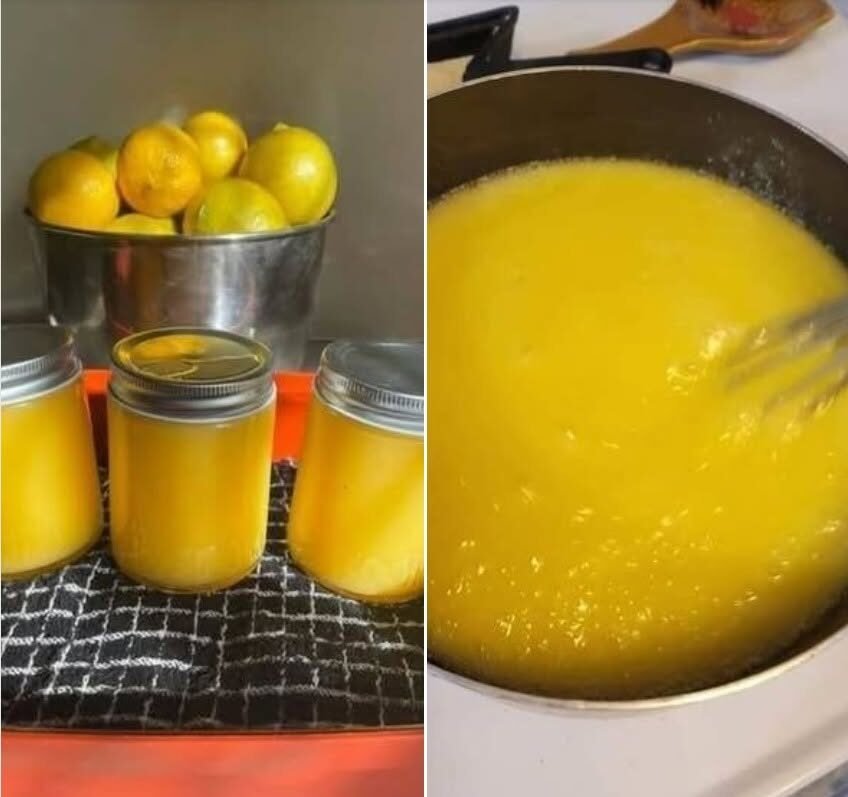
Description:
Awaken your senses with this bright, glossy, and Velvety Homemade Sugar-Free Lemon Curd. Crafted from the vibrant juice and essential oils of sun-ripened fresh lemons, farm-fresh egg yolks, and rich grass-fed butter, this spread achieves an ultra-smooth, spoon-coating texture that balances an electrifying citrus tang with a mellow buttery finish. By replacing cups of refined white sugar with a natural zero-calorie sweetener, this recipe preserves the classic British teatime decadence without triggering glycemic spikes or midday sluggishness. It serves as an effortless, low-carb sweet accent designed to elevate high-protein breakfasts, Greek yogurt bowls, and guilt-free desserts.
AdBlock Detected ⚠️
Please disable your ad blocker to support our website.
Advertising keeps our content free for everyone.
Can This Lemon Curd Support Weight Loss Goals?
Yes, this sugar-free lemon curd supports healthy weight management by providing an intensely flavored, portion-controlled indulgence with virtually zero impact on blood sugar. Commercial fruit curds and jams are packed with high-fructose corn syrup and refined cane sugars that promote insulin surges and rapid rebound hunger. By utilizing pure egg yolks and butter for rich lipid satiety alongside zero-glycemic allulose or monk fruit, this curd delivers deep dessert satisfaction in small amounts, making it easier to curb cravings while adhering to a consistent caloric deficit.
Does Lemon Curd Fit a High Protein Lifestyle?
Supplying less than 1g of net carbs per serving with zero added sugars, this lemon curd fits into an active, high-protein lifestyle. High-protein diets that focus heavily on plain Greek yogurt, cottage cheese bowls, egg-white bakes, and protein pancakes can occasionally suffer from flavor fatigue. This curd provides a concentrated, zesty burst of clean citrus flavor and healthy dietary fats that make high-protein foundational foods taste gourmet, helping you hit your daily macro and protein targets without taking on empty carbohydrates.
My Personal Experience
-
The Gentle Double-Boiler Setup:
Placing the glass mixing bowl over a pot of barely simmering water rather than directly on the stovetop burner prevented the eggs from scrambling. It maintained gentle, indirect heat that coaxed the custard into a smooth, glossy ribbon without any metallic or sulfur notes.
-
The Cold Diced Butter Emulsion:
Whisking in the chilled cubes of butter one piece at a time only after pulling the thickened curd off the heat created a silky, micro-emulsified sheen. It gave the curd a rich mouthfeel that stayed velvety and spreadable once fully chilled.
-
The Fine-Mesh Sieve Insurance:
Pouring the warm cooked curd through a fine-mesh stainless steel strainer caught tiny fragments of cooked egg chalazae and coarse lemon zest. It guaranteed a bakery-quality, mirror-smooth texture that draped over spoons.
Perfect For:
-
High-Protein Breakfast Bowls: Swirl a generous spoonful into cold plain Greek yogurt or whipped cottage cheese for an instant high-protein lemon cream parfait.
-
Low-Carb & Keto Desserts: Use as a luscious, sugar-free tart filling, cake spread, or topping over low-carb cheesecakes.
-
High-Protein Pancake Toppings: Drizzle over warm cottage cheese oat pancakes or protein waffles instead of high-sugar maple syrup.
-
Guilt-Free Afternoon Tea: Spoon onto grain-free almond flour scones or low-carb biscuits for a traditional teatime treat.
Why You’ll Love This Recipe:
-
Bold, Real Lemon Punch:
Combines freshly grated lemon zest with cold-pressed lemon juice for an authentic, sunlit citrus brightness that bottled juices cannot match.
-
Silky Smooth, Never Gummy:
Relies entirely on the natural thickening power of gently cooked egg yolks and butter rather than cornstarch, gelatin, or artificial gums.
-
Virtually Zero Net Carbs:
Sweetened with powdered allulose or monk fruit, keeping net carbohydrates under 1 gram per serving to protect ketosis.
-
Versatile Macro Companion:
Instantly upgrades bland high-protein staples into vibrant, gourmet treats with just 10 minutes of active cooking.
Common Mistakes to Avoid:
-
Cooking Over Direct High Heat: Setting the pan directly on an open flame will rapidly scramble the egg yolks, leaving rubbery bits of cooked egg throughout the mixture; always use a double boiler or very low heat.
-
Using Bottled Lemon Juice: Bottled juice contains chemical preservatives and lacks the natural fragrant limonene oils found in fresh peel; always use fresh, unwaxed lemons.
-
Using Granular Erythritol Sweeteners: Granular erythritol fails to dissolve fully in acidic citrus and will recrystallize into a crunchy, sandy texture once chilled; use powdered allulose or liquid monk fruit.
-
Skipping the Surface Plastic Wrap: Leaving the curd to cool uncovered allows air exposure to form a tough, rubbery skin across the top; press plastic wrap directly onto the warm surface.
Required Equipment:
-
Heat-Safe Glass or Stainless Steel Mixing Bowl: Fits snugly over a saucepan to create an indirect steam bath for gentle custard cooking.
-
Small Saucepan: Holds simmering water beneath the bowl to generate steady, indirect steam.
-
Silicone-Coated Whisk: Prevents metallic off-flavors that can occur when acidic lemon juice reacts with aluminum or uncoated metal whisks.
-
Microplane Zester: Removes only the fragrant yellow outer zest without scraping into the bitter white inner pith.
-
Fine-Mesh Stainless Steel Sieve: Strains out cooked egg bits and coarse zest to yield a bakery-smooth consistency.
Storage Instructions:
-
Refrigerator Storage: Transfer warm curd to a clean glass jar, press plastic wrap directly onto the surface, seal tightly with a lid, and refrigerate for up to 2 weeks (the curd thickens further as it chills).
-
Freezer Storage: Spoon cooled curd into an airtight, freezer-safe glass jar (leaving 1/2-inch of headspace for expansion) and freeze for up to 3 months; thaw overnight in the refrigerator and stir briskly before using.
-
Serving Advice: Serve chilled or slightly tempered straight from the refrigerator using a clean, dry spoon to prevent introducing moisture.
Recipe Details:
-
Preparation Time: 10 minutes (zesting and juicing)
-
Cooking Time: 10 minutes (double-boiler whisking)
-
Chilling Time: 2 hours (to set completely)
-
Total Time: 20 minutes active (plus chilling)
-
Servings: 12 servings (approx. 2 tablespoons / ~30 g per serving / yields about 1.5 cups total)
-
Best Season for This Recipe: All-season (Especially vibrant in spring and summer, or during winter citrus season)
-
Total Calories (Per Serving): ~55 kcal (approximate estimate)
Short Description:
A vibrant, glossy homemade sugar-free lemon curd bursting with fresh citrus oils, rich egg yolks, and sweet grass-fed butter. Naturally low-carb, keto-friendly, and thickened without starches or flour, it comes together in just 20 minutes. The ultimate zesty spread to elevate your high-protein bowls and desserts.
📝 Ingredients:
-
Fresh Unwaxed Lemons: 4 large lemons, thoroughly washed and dried (yields approx. 1 tablespoon freshly grated zest and 1/2 cup / 120 ml strained fresh juice).
-
Large Egg Yolks: 4 whole yolks, room temperature (provides rich lecithin emulsifiers, color, and thickening power).
-
Large Whole Egg: 1 whole egg, room temperature (helps create a firm, sliceable custard set).
-
Powdered Allulose (or Powdered Monk Fruit Sweetener): 1/2 cup (approx. 80 g) (allulose dissolves smoothly without recrystallizing or cooling aftertaste).
-
Unsalted Grass-Fed Butter: 1/2 cup (1 stick / 115 g), chilled and cut into 1/2-inch cubes (cold fat creates a glossy emulsion).
-
Fine Sea Salt: A tiny pinch (approx. 1/8 teaspoon) (cuts citrus acidity and highlights sweetness).
-
Pure Vanilla Extract (Optional Accent): 1/4 teaspoon (rounds out sharp citrus edges).
Directions:
-
Set Up the Double Boiler (Gentle Indirect Steam):
Fill a small saucepan with 1 to 2 inches of water and set it over medium-low heat to bring to a gentle, steady simmer. Choose a heat-safe glass or stainless steel bowl that rests comfortably over the saucepan without the bottom of the bowl touching the simmering water beneath.
-
Zest and Juice the Lemons:
Using a microplane, finely grate 1 tablespoon of bright yellow zest from the fresh lemons, taking care to avoid the bitter white pith. Cut the lemons in half and squeeze them through a strainer to yield 1/2 cup (120 ml) of clear juice.
-
Whisk the Egg and Sweetener Foundation:
In your heat-safe bowl (off the heat), whisk together the 4 egg yolks, 1 whole egg, 1/2 cup of powdered allulose, and a pinch of fine sea salt for 60 seconds until pale, slightly frothy, and completely blended.
-
Incorporate Citrus Juice and Zest:
Slowly pour the 1/2 cup of fresh lemon juice and 1 tablespoon of lemon zest into the egg mixture, whisking continuously to prevent the acidic juice from prematurely coagulating the raw egg proteins.
-
Cook to a Glossy Ribbon (Medium-Low Steam):
Set the bowl over the saucepan of gently simmering water. Whisk continuously and steadily for 8 to 10 minutes. Do not walk away; as the steam transfers heat, the mixture will transition from thin and frothy into a thick, glossy custard. Look for the visual cue: the curd is ready when it coats the back of a spoon and holding a thermometer reads 170°F (77°C), leaving a clear path when you swipe a finger across the spoon.
-
The Cold Butter Emulsion (High-Protein Cooking Tip):
Remove the bowl immediately from the double boiler and place it on a kitchen towel. Add the chilled, cubed butter two pieces at a time, whisking vigorously after each addition until fully melted and emulsified before adding the next. This progressive cold-fat emulsification gives the curd a velvety, mirror-like gloss and luxurious body. Stir in 1/4 teaspoon of vanilla extract if using.
-
Strain for Flawless Texture:
Place a fine-mesh stainless steel sieve over a clean glass bowl or mason jar. Pour the warm lemon curd through the strainer, using a silicone spatula to press the silky curd through while catching any stray bits of cooked egg or dense zest.
-
Surface Seal, Chill, and Set:
Press a sheet of plastic wrap directly against the surface of the warm curd to prevent a rubbery skin from developing. Refrigerate for at least 2 hours (preferably overnight); the curd will firm up into a thick, spreadable, spoonable custard. Serve cold.
Nutrition Facts (Per Serving – Approximate):
-
Calories: 55 kcal
-
Fats: 5.5 g
-
Cholesterol: 75 mg
-
Sodium: 25 mg
-
Potassium: 30 mg
-
Total Carbohydrates: 1.0 g
-
Fiber: 0.2 g
-
Net Carbs: 0.8 g
-
Sugars: 0.4 g (naturally occurring from fresh lemon juice)
-
Protein: 1.2 g
-
Calcium: 12 mg
Notes:
-
High-Protein Swirl Hack: Fold 2 tablespoons of this chilled lemon curd into 3/4 cup of cold, plain 2% Greek yogurt and top with a scoop of vanilla whey protein isolate for an instant 28g protein lemon meringue dessert bowl.
-
Dairy-Free Alternative: Replace the dairy butter with an equal weight (1/2 cup) of refined coconut oil or cold-pressed virgin coconut oil for a tropical lemon-coconut curd.
-
Lime or Meyer Lemon Twist: Swap standard lemons with Meyer lemons for a sweeter, floral curd, or use fresh Key limes for an authentic sugar-free key lime curd.
-
Sweetness Adjustments: If you prefer an extra-tart curd, reduce the powdered sweetener to 1/3 cup; for a sweeter dessert finish, increase to 2/3 cup.
AdBlock Detected ⚠️
Please disable your ad blocker to support our website.
Advertising keeps our content free for everyone.