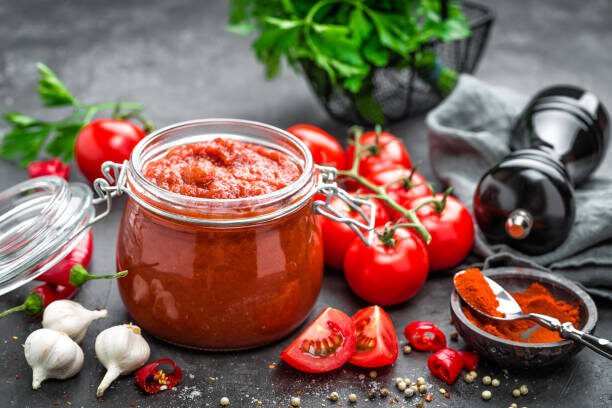
Description:
Capture the sweet, sun-ripened essence of peak-harvest produce all year round with these Simple Home Canned Diced Tomatoes. Preserved in their own rich, natural juices using trusted water bath processing methods, these shelf-stable jars deliver farm-fresh brightness without artificial firming agents, calcium chloride, or chemical preservatives found in commercial cans. Packed with sweet acidity and juicy texture, they serve as the ultimate clean, low-carb culinary base ready to enrich high-protein skillet dinners, lean chili pots, meat stews, and morning egg scrambles in a matter of seconds.
AdBlock Detected ⚠️
Please disable your ad blocker to support our website.
Advertising keeps our content free for everyone.
Can This Canned Tomatoes Support Weight Loss Goals?
Yes, home-canned diced tomatoes are an invaluable tool for sustainable weight management because they provide tremendous food volume and deep flavor with minimal caloric impact. Whole preserved tomatoes are naturally rich in water and dietary fiber, which expand in the stomach and slow digestion to prolong feelings of fullness. Incorporating them into lean meat and vegetable dishes adds savory depth and moisture without the need for refined oils or high-calorie sauces, making it much easier to maintain a satisfying caloric deficit.
Does Canned Tomatoes Fit a High Protein Lifestyle?
With only about 4g of net carbs per half-cup serving and zero added sugars, starches, or thickeners, home-canned tomatoes fit seamlessly into a disciplined high-protein lifestyle. Because pure lean proteins—like skinless chicken breast, extra-lean beef, or white fish—can easily become dry during batch cooking, having shelf-stable jars of acidic, juicy tomatoes on hand provides a clean, nutrient-dense vehicle to simmer and tenderize meats. They supply valuable potassium, vitamin C, and lycopene without competing for your daily carbohydrate macros.
My Personal Experience
-
The Quick Ice-Water Blanching Trick:
Scoring a shallow “X” on the tomato bottoms and dropping them into boiling water for exactly 60 seconds made the skins slip off effortlessly. It kept the underlying red flesh firm and intact rather than tearing away into a watery mush.
-
Standardized Bottled Lemon Juice for Safe Acidity:
Adding bottled lemon juice directly into each jar before packing guaranteed uniform acidification to safely inhibit bacterial growth without altering the natural, vine-ripened tomato flavor. It eliminated any pH guesswork and ensured reliable, shelf-stable preservation in a simple water bath.
-
Packing in Natural Juices Without Extra Water:
Pressing the diced tomatoes firmly into the jars to release their own sweet juices created a rich, thick packing liquid that concentrated during boiling. It eliminated the thin, diluted consistency typical of commercial supermarket cans packed in plain tap water.
Perfect For:
-
High Protein Meal Prep: Pour a jar over lean ground turkey or chuck roast in a slow cooker for an effortless, tender protein base.
-
Low Carb & Keto Dinner Bases: Simmer with garlic, olive oil, and herbs to create a 10-minute, sugar-free marinara for zucchini noodles or meatballs.
-
High Protein Breakfasts: Heat with cumin and bell peppers to form the foundation of a protein-rich skillet shakshuka topped with fresh eggs.
-
Emergency Pantry Staples: Keeps pure, wholesome garden nutrition ready in your cupboard for quick weeknight soups and lean stews.
Why You’ll Love This Recipe:
-
Pure Garden Flavor Year-Round:
Locks in peak summer flavor and vibrant red color so you never have to settle for pale, mealy winter greenhouse tomatoes.
-
Zero Commercial Additives or Preservatives:
Free from calcium chloride, sodium stabilizers, high-fructose corn syrup, or BPA can linings commonly found in store-bought options.
-
Tested, Safe Home Canning Method:
Follows standardized USDA home food preservation guidelines for safe, reliable water bath processing.
-
Versatile High-Protein Enhancer:
Instantly transforms plain bodybuilding staples like chicken breast, cod, or brown lentils into mouthwatering gourmet meals.
Common Mistakes to Avoid:
-
Using Fresh Squeezed Lemon Juice: Fresh lemons vary wildly in natural acidity; always use commercially bottled lemon juice or citric acid to guarantee a safe, standardized pH below 4.6.
-
Skipping the Peeling Step: Leaving skins on before canning results in tough, rolled-up, papery shreds that separate during processing and ruin the texture of sauces.
-
Improper Headspace Measurement: Failing to maintain a strict 1/2-inch headspace can cause liquid siphoning during boiling, leading to weak or failed jar seals.
-
Using Bruised or Overripe Fruit: Tomatoes with soft rot, cracked skins, or dark bruises have lower natural acid levels and introduce spoilage organisms that compromise batch safety.
Required Equipment:
-
Water Bath Canner with Internal Rack: Keeps jars elevated off direct heat and fully submerged in boiling water for safe thermal processing.
-
Standard Pint or Quart Mason Canning Jars with New Lids: Forms an airtight, hermetic vacuum seal that preserves food for long-term shelf storage.
-
Jar Lifter: Securely grips and maneuvers hot, heavy glass jars into and out of boiling water without tipping or slipping.
-
Canning Funnel & Non-Metallic Bubble Popper: Prevents messy spills on jar rims and gently dislodges trapped air pockets before sealing.
-
Large Stockpot & Slotted Spoon: Enables rapid, organized batch blanching and shocking to peel tomato skins cleanly.
Storage Instructions:
-
Pantry Storage (Sealed Jars): Store cooled, sealed jars without their screw bands in a cool, dark, and dry pantry (between 50°F and 70°F) for 12 to 18 months.
-
Refrigerator Storage (Opened Jars): Once the seal is broken, refrigerate the jar immediately and consume within 5 to 7 days.
-
Freezer Alternative: If you do not wish to water-bath can, pack the blanched diced tomatoes into freezer-safe containers (leaving 1-inch headspace) and freeze for up to 8 months.
Recipe Details:
-
Preparation Time: 45 minutes (Blanching, peeling, dicing)
-
Cooking Time: 10 minutes (Hot pack pre-cook)
-
Water Bath Processing Time: 40 minutes for pints / 45 minutes for quarts (Adjust for altitude)
-
Total Time: ~1 hour 45 minutes
-
Servings: 6 pint jars (approx. 12 half-cup servings at ~120 g per serving)
-
Best Season for This Recipe: Late summer to early autumn (during peak garden harvest of firm, ripe plum tomatoes)
-
Total Calories (Per Serving): ~30 kcal (approximate estimate)
Short Description:
Preserve the vibrant flavor and sweet juiciness of ripe summer tomatoes with this reliable home-canning recipe. Peeled, diced, and packed in their natural juices, these shelf-stable jars contain zero artificial additives or preservatives. The ultimate low-carb pantry staple to elevate high-protein weeknight meals.
📝 Ingredients:
-
Firm, Ripe Plum Tomatoes (Roma or San Marzano): 12 to 14 pounds (approx. 5.5 to 6.5 kg) (dense plum varieties have meaty flesh and fewer seeds, yielding superior texture).
-
Bottled Lemon Juice (5% Acidity): 1 tablespoon per pint jar (or 2 tablespoons per quart jar) (essential for food safety to standardize pH below 4.6).
-
Canning & Pickling Salt (Optional): 1/2 teaspoon per pint jar (or 1 teaspoon per quart jar) (pure non-iodized salt enhances flavor without clouding the jar).
-
Filtered Boiling Water: For water bath canner and blanching pot.
Directions:
-
Prep the Canner and Jars (Boiling Water Setup):
Wash 6 pint-size mason jars and bands in hot, soapy water. Place jars onto the rack inside your water bath canner, fill with clean water, and bring to a warm simmer (180°F / 82°C) to keep them hot until filling. Wash flat lids and set aside.
-
Blanch and Peel the Tomatoes (High Heat):
Bring a large stockpot of water to a rolling boil over high heat. Prepare a large bowl of ice water nearby. Wash the tomatoes and use the tip of a paring knife to score a shallow “X” on the blossom end of each fruit. Working in batches of 6 to 8, lower the tomatoes into the boiling water for 30 to 60 seconds until the scored skins begin to split and curl. Transfer immediately to the ice water bath with a slotted spoon to halt cooking.
-
Core, Slip Skins, and Dice:
Lift the cooled tomatoes from the ice water. The skins will slide right off in your hands. Cut out the hard stem core with a paring knife. Dice the peeled tomato flesh into rustic 1/2-inch to 3/4-inch cubes, collecting the rich juices in a clean bowl as you work.
-
Hot-Pack Simmer (Medium Heat):
Transfer the diced tomatoes and all their collected juices into a large stainless steel stockpot. Bring to a gentle boil over medium heat, stirring occasionally with a wooden spoon to prevent sticking. Simmer uncovered for 5 minutes until the tomatoes are heated thoroughly through.
-
Acidify the Hot Jars:
Using a jar lifter, remove one hot jar from the canner, emptying its water back into the pot. Place the jar onto a clean towel on your counter. Add 1 tablespoon of bottled lemon juice and 1/2 teaspoon of canning salt (if using) directly into the bottom of the empty hot pint jar.
-
Fill Jars and Measure Headspace:
Set a canning funnel over the jar and ladle the hot diced tomatoes with their simmering juices inside. Leave a strict 1/2-inch (12 mm) headspace between the top of the liquid and the rim of the jar.
-
Debubble and Clean Rims:
Insert a non-metallic bubble popper or plastic spatula down into the jar, pressing gently inward to release trapped air bubbles. Check headspace again; add or remove tomato juice to ensure it sits exactly at 1/2 inch. Wipe the rim thoroughly with a clean paper towel dampened with distilled white vinegar to remove any microscopic tomato seeds or acid residue. Center a flat lid on top and screw the metal band down to fingertip-tight (do not over-tighten).
-
Process in the Water Bath (Rolling Boil):
Lower the filled jar back onto the elevated canner rack. Repeat until all jars are filled. Lower the rack into the canner; jars must be submerged under at least 1 to 2 inches of water. Put the canner lid on and bring to a vigorous rolling boil over high heat. Once boiling rapidly, start the timer and process pint jars for 40 minutes (or 45 minutes for quarts), adjusting for elevation if above 1,000 feet.
-
Cool and Inspect Seals:
Turn off the heat, remove the canner lid, and let the jars rest in the hot water for 5 minutes to stabilize pressure. Use the jar lifter to lift jars straight up without tilting and set them onto a dry, towel-lined counter spaced 1 inch apart. Let cool undisturbed for 12 to 24 hours. You will hear the satisfying metallic “ping” as the lids vacuum-seal. Check the center of each lid; it should be concave and firm with zero flex. Remove the bands, wipe down the jars, label with the date, and store in a cool, dark pantry.
Nutrition Facts (Per Serving – Approximate):
-
Calories: 30 kcal
-
Fats: 0.2 g
-
Cholesterol: 0 mg
-
Sodium: 115 mg (with canning salt) / 10 mg (without salt)
-
Potassium: 290 mg
-
Total Carbohydrates: 6.5 g
-
Fiber: 1.8 g
-
Net Carbs: 4.7 g
-
Sugars: 3.8 g
-
Protein: 1.2 g
-
Calcium: 18 mg
Notes:
-
High-Protein Meal Pairing: Empty a pint jar into a skillet with 1 pound of browned 93/7 ground beef, garlic, and Italian herbs for an instant 15-minute high-protein Bolognese sauce.
-
Elevation Adjustments: For elevations 1,001–3,000 ft, add 5 minutes to processing time; 3,001–6,000 ft, add 10 minutes; above 6,000 ft, add 15 minutes.
-
Unsealed Jar Protocol: If any jar lid flexes up and down after 24 hours, the vacuum seal failed; store that jar in the refrigerator and use it within 5 days, or freeze it.
-
Flavor Boost: Feel free to slip 1 dried bay leaf or 1/4 teaspoon of dried oregano into each jar along with the lemon juice before filling.
AdBlock Detected ⚠️
Please disable your ad blocker to support our website.
Advertising keeps our content free for everyone.