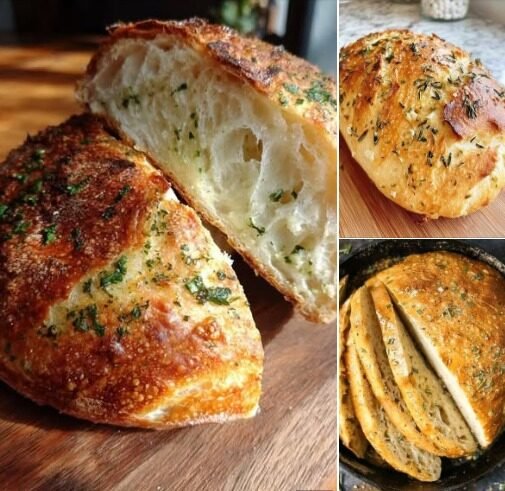
Description
This Garlic and Herb Sourdough Bread combines the tangy, complex flavor of naturally fermented sourdough with the aromatic warmth of roasted garlic and fresh herbs. The result is a crusty, golden-brown loaf with a chewy, airy interior that fills your kitchen with an irresistible aroma. Unlike standard white bread, this artisan loaf is crafted with high-protein bread flour and incorporates healthy fats from olive oil, making it a more satisfying choice for those seeking high protein, low carb recipes that don’t sacrifice flavor .
AdBlock Detected ⚠️
Please disable your ad blocker to support our website.
Advertising keeps our content free for everyone.
Can This Garlic and Herb Sourdough Bread Support Weight Loss Goals?
Yes, this sourdough bread can be a supportive part of a weight management plan when enjoyed mindfully. The natural fermentation process breaks down gluten and phytic acid, potentially making nutrients more bioavailable, while the protein content promotes satiety. A single slice provides satisfying protein that helps curb cravings, and the fiber aids digestion. By incorporating this into a high protein diet plan alongside balanced meals, you can enjoy bread without derailing your goals .
Does Garlic and Herb Sourdough Bread Fit a High Protein Lifestyle?
Absolutely. This recipe uses high-protein bread flour, which provides a solid protein foundation compared to all-purpose flour. Each serving delivers approximately 8g of protein while maintaining a moderate net carb count—especially when paired with high-protein toppings like eggs, smoked salmon, or lean meats. The inclusion of olive oil adds healthy fats that support satiety, making this bread an excellent choice for high protein snacks, high protein breakfast options, and even keto diet plans when consumed in moderation .
My Personal Experience
-
Perfecting the sourdough starter: I learned that an active, bubbly starter is non-negotiable—a weak starter results in a dense loaf with poor oven spring. Feeding my starter 8–12 hours before baking made all the difference in achieving that airy, open crumb .
-
Mastering the stretch-and-fold technique: Traditional kneading was too aggressive; gentle stretch-and-folds every 30 minutes during bulk fermentation built gluten strength without deflating the dough. This method preserved the air pockets essential for sourdough’s signature texture .
-
The overnight cold ferment revelation: Refrigerating the shaped dough overnight developed deeper, more complex flavors and made scoring easier. The cold dough held its shape beautifully when transferred to the hot Dutch oven .
-
Patience during cooling: I learned the hard way that slicing warm bread ruins the texture. Allowing the loaf to cool completely for at least 1–2 hours set the crumb and prevented gummy, undercooked centers .
Perfect For
-
High protein breakfast: Toasted slices topped with avocado, smoked salmon, or poached eggs
-
High protein snacks: Mini sourdough bites with herb-infused olive oil for dipping
-
High protein desserts: Believe it or not—toasted sourdough with almond butter and berries
-
Keto diet plans: Enjoy in moderation as part of a balanced keto meal plan
-
High protein low carb recipes: Perfect alongside protein-rich soups, salads, and stews
-
Meal prep: Makes 16 generous slices for week-long high protein lunches
Why You’ll Love This Recipe
-
Artisan-quality flavor at home: The combination of tangy sourdough, roasted garlic, and fragrant herbs creates a complex, savory loaf that rivals any bakery—without the premium price tag .
-
High protein satisfaction: With approximately 8g of protein per serving, this bread keeps you fuller longer than standard white bread, making it a smart choice for active lifestyles and weight management goals .
-
Versatile and customizable: Adapt the herbs, add cheese, or experiment with roasted garlic—this recipe welcomes creativity and adapts to your flavor preferences .
-
Freezer-friendly convenience: Bake once, enjoy all month. This loaf slices beautifully and stays fresh for weeks when properly frozen .
Common Mistakes to Avoid
-
Using inactive sourdough starter: A starter that hasn’t been fed recently won’t provide adequate rise. Ensure your starter is active, bubbly, and has doubled in size before beginning .
-
Skipping the autolyse rest: Mixing flour and water and letting it rest for 30–45 minutes before adding starter and salt hydrates the flour fully and kick-starts gluten development—resulting in a better texture .
-
Over-handling the dough during herb incorporation: Adding the garlic and herbs too aggressively deflates the dough. Gently fold the mixture in, preserving the air bubbles developed during fermentation .
-
Cutting the bread while warm: Patience is key—cooling for at least 1–2 hours sets the crumb structure. Cutting early results in a gummy, dense interior .
Required Equipment
-
Dutch oven or heavy oven-safe pot with lid: Creates a steamy environment that develops a crispy, golden crust and ensures even baking .
-
Proofing basket (banneton) or floured bowl: Supports the dough’s shape during the final rise and adds those beautiful artisan spiral marks .
-
Bread lame or very sharp knife: Allows you to score the dough cleanly, controlling expansion for a professional-looking oven spring .
-
Large mixing bowl and kitchen scale: Precise measurements ensure consistent results—scale is essential for accurate flour-to-water ratios .
-
Parchment paper: Makes transferring the sticky dough to the hot Dutch oven effortless and prevents sticking .
Storage Instructions
Store leftover bread in a linen cloth or paper bag at room temperature for up to 2 days to maintain a crispy crust. For longer storage, wrap slices tightly in plastic wrap, place in an airtight container or freezer bag, and freeze for up to 3 months. The bread remains high protein-friendly when frozen. To enjoy, toast straight from frozen or thaw at room temperature. Avoid refrigerating, as this accelerates staling and dries out the crumb .
Recipe Details
-
Preparation Time: 20 minutes active + 4–6 hours bulk fermentation + overnight refrigeration
-
Cooking Time: 45–50 minutes
-
Total Time: Approximately 10–12 hours (includes overnight rest)
-
Servings: 16 slices (1 large round loaf)
-
Best Season for This Recipe: All-season—wonderful in summer with fresh herbs or in winter with heartier roasted garlic
-
Total Calories (Per Serving): ~220 (approximate estimate)
This artisanal sourdough combines the tangy complexity of natural fermentation with the savory warmth of garlic and herbs. With a crispy crust and chewy interior, it’s perfect for high protein breakfasts, satisfying snacks, or alongside your favorite soups and stews.
📝 Ingredients
For the Dough:
-
500g bread flour (high-protein flour recommended for better structure)
-
350–375g warm water (adjust based on humidity)
-
100g active sourdough starter (fed and bubbly)
-
10g salt (fine sea salt preferred)
-
1 tablespoon olive oil (adds moisture and healthy fats)
For the Garlic and Herb Filling:
-
6 cloves garlic, minced (or 1 head roasted garlic for sweeter flavor)
-
1 tablespoon dried Italian seasoning (or fresh rosemary, thyme, parsley)
-
1–2 tablespoons olive oil (for mixing with herbs)
For Finishing (Optional):
-
Olive oil (for brushing crust)
-
Flaky sea salt (for sprinkling)
Directions
-
Autolyse: In a large mixing bowl, combine 500g bread flour and 350g warm water. Mix until no dry flour remains. Cover and let rest for 30–45 minutes. Look for: A shaggy, hydrated dough .
-
Add Starter and Salt: Add 100g active sourdough starter, 10g salt, and 1 tablespoon olive oil. Mix thoroughly with your hands or a dough scraper until well incorporated. Look for: A smoother, more elastic dough .
-
Bulk Fermentation – Stretch and Folds: Cover and let rise at room temperature for 4–6 hours. During the first 2 hours, perform 3–4 sets of stretch-and-folds every 30 minutes. Wet your hands, stretch one side of the dough up and fold it over the center. Rotate and repeat on all four sides. Look for: Dough becoming smooth, elastic, and airy .
-
Prepare the Filling: While dough ferments, prepare garlic and herbs. Mix minced garlic with 1 tablespoon dried Italian seasoning and 1–2 tablespoons olive oil. For a sweeter flavor, roast garlic cloves at 375°F for 30–40 minutes until soft and golden .
-
Incorporate Filling: After gluten has developed, gently flatten the dough and spread the garlic-herb mixture over the surface. Fold the dough over itself repeatedly until filling is distributed. Be gentle to preserve air bubbles. Return to bowl .
-
Complete Bulk Fermentation: Continue fermenting until dough is puffy, has increased by 50–75%, and shows bubbles. Look for: Noticeable volume increase and surface bubbles .
-
Pre-shape: Turn dough onto a lightly floured surface. Gently shape into a loose round without pressing all the air out. Let rest uncovered for 15–20 minutes (bench rest) .
-
Final Shape: For a boule, stretch outer edges toward the center, flip seam-side down, and drag gently across the work surface to create surface tension. Look for: A smooth, taut ball that holds its shape .
-
Proof: Generously dust a proofing basket with flour and place dough seam-side up inside. Cover and refrigerate overnight (8–12 hours) for slow fermentation and deeper flavor .
-
Bake: Next day, preheat oven to 475°F (245°C) with Dutch oven inside. Carefully invert cold dough onto parchment paper. Score the top with a bread lame. Brush with olive oil and sprinkle with flaky salt .
-
Bake Covered: Transfer dough (with parchment) into hot Dutch oven. Cover and bake for 20 minutes .
-
Bake Uncovered: Remove lid and continue baking for 20–25 minutes until crust is deep golden brown and crisp. Look for: Internal temperature of 200–210°F .
-
Cool: Transfer loaf to a wire rack and cool completely for 1–2 hours before slicing. Look for: A hollow sound when tapped on the bottom .
Nutrition Facts (Per Serving – Approximate)
| Nutrient | Amount |
|---|---|
| Calories | 220 kcal |
| Fats | 6g |
| Cholesterol | 0mg |
| Sodium | 300mg |
| Potassium | 80mg |
| Total Carbohydrates | 36g |
| Fiber | 2g |
| Net Carbs | 34g |
| Sugars | 1g |
| Protein | 8g |
| Calcium | 20mg |
Notes
Storage tips: Store at room temperature in a linen cloth for up to 2 days. Freeze sliced bread in an airtight container for up to 3 months .
Reheating instructions: Toast frozen slices directly or thaw at room temperature. For a crispy crust, reheat in the oven at 350°F for 5–10 minutes.
Allergy notes: Contains wheat/gluten. For a gluten-free, keto-friendly version, substitute bread flour with a blend of almond flour, coconut flour, and psyllium husk powder .
Flavor boosts: Add 1/2 cup shredded Parmesan cheese with the herbs for a cheesy twist. For extra heat, include red pepper flakes .
Frequently Asked Questions
Can I make this bread without a sourdough starter?
Yes—use 2 ½ teaspoons of active dry yeast instead of sourdough starter for a same-day loaf, though it won’t have the same tangy flavor .
Is this recipe keto-friendly?
In its traditional form, no—but you can adapt it using keto flours like almond and coconut flour for a low-carb version .
Why is my sourdough dense and not airy?
Your starter may have been inactive, or the dough wasn’t fermented long enough—ensure your starter is bubbly and the dough increases by 50–75% during bulk fermentation .
Can I use fresh herbs instead of dried?
Absolutely—use 2–3 tablespoons of fresh chopped herbs like rosemary, thyme, or parsley for a brighter flavor .
How do I know when the bread is fully baked?
The crust should be deep golden brown, the loaf should sound hollow when tapped on the bottom, and the internal temperature should reach 200–210°F .
Can I freeze this sourdough bread?
Yes—slice the loaf, wrap slices individually, and freeze in an airtight container for up to 3 months .
AdBlock Detected ⚠️
Please disable your ad blocker to support our website.
Advertising keeps our content free for everyone.